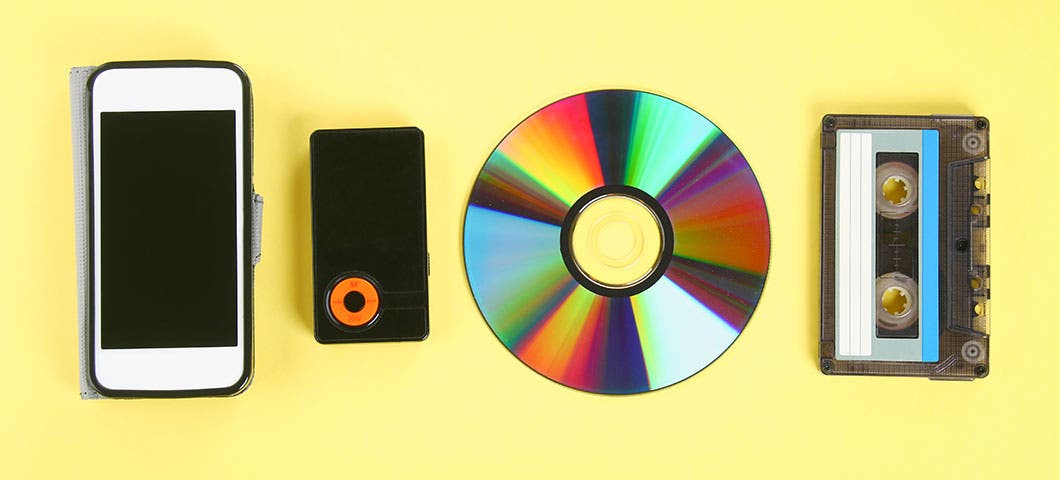
Sound is a natural phenomenon that travels through the air as vibrations. Humans hear sound as continuous waves, meaning sound exists in an analog form in the real world. However, computers cannot directly understand analog signals. Instead, computers store, process and transmit sound in digital format. So how can we represent sound in a digital format? That's what we are going to talk about today.
What is Audio?
- Amplitude : Determines how loud or soft the sound is
- Frequency : Determines the pitch (how high or low the sound is)
Why do we need digital representation?
- Store audio files
- Edit and process audio
- Transmit audio over the internet
- Compress audio for efficient storage
- Improve sound quality
How is audio converted into digital form?
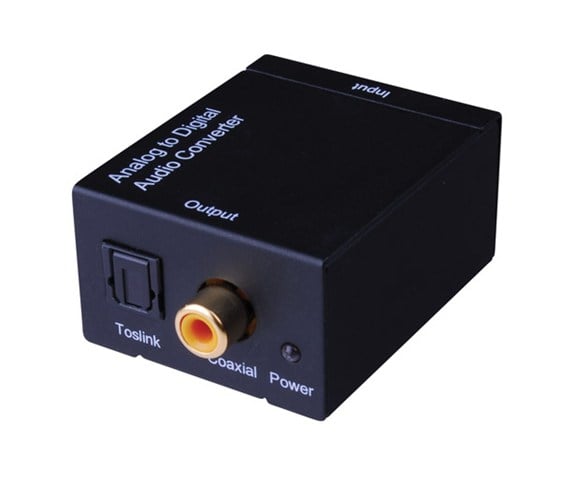
Sampling is the process of measuring the amplitude of a sound wave at regular time intervals.
The number of samples taken per second is called the sampling rate. It's measured in Hertz (Hz). A higher sampling rate means the digital audio is more accurate. A higher sampling rate captures more details but it also requires more storage space.
2) Quantization
Quantization is the process of assigning numerical values to each sampled amplitude.
Each sampled value is rounded to the nearest value within a fixed range. And the number of possible values depends on the bit depth.
Bit depth refers to how many bits we use to represent each numerical value.
- 8-bit audio : 256 possible amplitude levels
- 16-bit audio : 65,536 possible amplitude levels (Used in CD)
- 24-bit audio : 16,777,216 possible amplitude levels (Used for professional recordings/mixing)
Encoding is the process of converting those quantized values into binary numbers.
These binary values are then stored as digital audio files (WAV, MP3, AAC)
Key factors affecting digital audio quality
- Sampling rate - A higher sampling rate captures more detail and improves audio accuracy
- Bit depth - Higher bit depth improves sound clarity and reduces noise
- Compression - Audio files are usually compressed to reduce file size
- Lossy compression: Removes some audio data to reduce file size (MP3)
- Lossless compression: Preserves all original data (FLAC)
Advantages of digital audio
- Easy to store and duplicate
- High sound quality
- Noise reduction and editing capabilities
- Efficient transmission over networks
- Long term durability without degradation
Application of digital audio
- Music streaming services
- Video conferencing
- Film and television production
- Gaming
- Telecommunications
Comments
Post a Comment